How much protein you need per day when training
6 min read
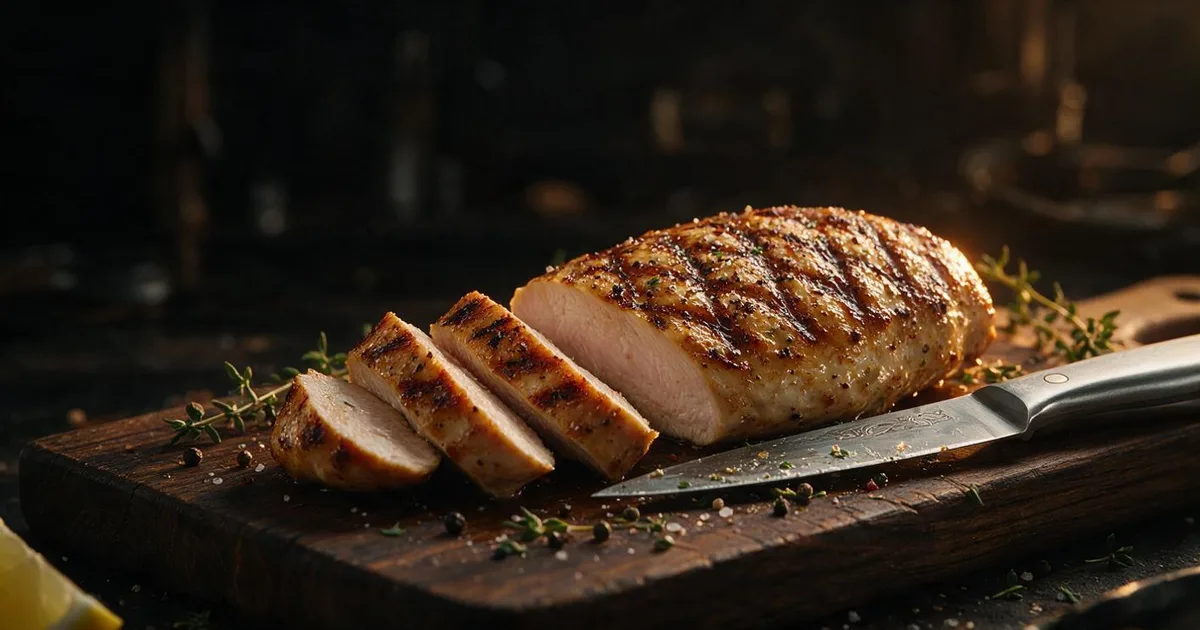
Protein is the one macronutrient almost everyone in the gym worries about, and for good reason, since it is the raw material your muscles repair and grow with. But the numbers thrown around range from far too low to pointlessly high. Here is what the research actually supports: the working range, your number by body weight, how to spread it through the day, how much protein common foods contain, and what changes with age and with fat loss.
The working range
The International Society of Sports Nutrition (ISSN) recommends about 1.2 to 2.2 g of protein per kilogram of body weight per day for people who train, depending on your goal. General activity and maintenance sit at the lower end (~1.2-1.6 g/kg); building muscle or dieting pushes you toward the top (~1.6-2.2 g/kg). For an 80 kg person that is roughly 95-175 g. To turn this into exact calories and macros, use the calorie and macro calculator.
Your goal shifts the number
Building muscle or dieting? Bias toward the top of the range, because extra protein protects muscle in a deficit and supports growth in a surplus. Mostly sedentary? You need less than an active trainee. For example, a 70 kg person building muscle lands at roughly 110-155 g a day, while a mostly sedentary one needs about 85-110 g.
Your number by body weight
Reference figures for people who train, aiming at 1.6-2.2 g per kilogram:
- 60 kg: about 95-130 g a day
- 70 kg: about 110-155 g
- 80 kg: about 130-175 g
- 90 kg: about 145-200 g
If you carry a lot of extra weight, calculate from your goal weight rather than your current one, because fat tissue needs almost no protein. A 110 kg person aiming for 85 kg needs roughly 135-185 g.
Spread it through the day
Your body uses protein best in moderate doses, so 30-40 g across 3-4 meals beats one giant serving. It is also simply easier to digest and to fit around training. In practice that can look like eggs at breakfast, chicken at lunch, a shake after training and fish or turkey in the evening, with curd cheese before bed if it agrees with you. The exact meal count is not important, as long as every main meal carries some protein.
How much protein is in food
A few numbers turn the target into a plate (per 100 g):
- Chicken breast: about 30 g
- Lean beef: about 26 g
- Salmon: about 20 g, cod: about 18 g
- Low-fat curd cheese: about 17-18 g, Greek yogurt: about 9-10 g
- Eggs: about 13 g (one egg 6-7 g)
- Cooked lentils: about 9 g, cooked chickpeas: about 8 g, tofu: about 12 g
- One scoop of whey: about 20-25 g
For example, 150 g of chicken, 200 g of curd cheese, three eggs and a glass of milk already add up to about 120 g. The full list with amounts is in food for muscle growth.
Protein quality
Not all protein is equal. Animal sources and soy contain all the essential amino acids, and muscle growth is triggered mostly by leucine, of which a meal needs roughly 2-3 g. That amount sits in a 25-40 g serving of quality protein, for example 120 g of chicken or 200 g of curd cheese. Plant sources carry less leucine, so their portions need to be larger and the sources combined through the day.
Does a high protein intake harm the kidneys?
In healthy people, no: intakes within the sports range show no harm to kidney function in the research, and the ISSN position stand states the same (Jäger et al., 2017). The honest exception is existing kidney disease, where a doctor sets the limit, not a fitness article.
Why protein helps with fat loss
In a calorie deficit protein matters even more. It protects muscle while the fat goes, it is the most filling macronutrient, and digesting it uses about 20-30% of its own calories, compared with 5-10% for carbohydrates and almost nothing for fat. In practice, 150 g of protein a day costs the body roughly 120-180 kcal extra to process and keeps hunger down at the same time. That is why the dieting recommendation sits at the top of the range rather than the bottom. How to build the day around it is in a weight-loss meal plan.
Protein after 50
From around 50-60 the muscles respond more weakly to protein and to training, so the requirement goes up, not down. For older adults an expert group recommends at least 1.0-1.2 g per kilogram even without training, and more when training or ill (Bauer et al., 2013). Together with strength training, that is the best protection against the muscle loss that comes with age.
Plant-based protein
Fully workable, with two adjustments: combine different sources through the day (legumes, tofu, seitan, grains) and aim roughly 10-20% higher overall to offset lower digestibility. The per-kilogram logic stays the same.
Common mistakes
- Eating most of the protein in one meal
- Calculating the target from the current weight when carrying a lot of extra fat
- Relying on shakes while regular meals stay low in protein
- Going far above 2.2 g/kg hoping for faster growth, and running short of carbohydrates for training
- Guessing portions instead of checking how much protein they actually contain
Frequently asked questions
Can I eat too much protein?
Hard to do in practice. Above roughly 2.2 g/kg extra protein adds no further muscle benefit (Morton et al., 2018), and the calories still count, so past that point it mostly displaces the carbohydrates and fats your training needs.
How much protein per meal?
25-40 g works well for most people. The daily total decides the result, and the per-meal spread simply makes it easier to reach.
Is protein before bed useful?
Yes. A slowly digested protein such as curd cheese or a casein shake feeds the muscles with amino acids through the night and helps you reach the daily total. If curd agrees with you, it is one of the simplest evening habits.
Do women need a different amount?
No, the same per-kilogram range applies. A 60 kg woman simply lands on smaller absolute numbers than a 90 kg man.
Does protein timing around training matter?
Very little once the daily total is met. 20-40 g within a couple of hours before and after the session is enough. Details are in what to eat before and after a workout.
How much protein do I need if I do not train?
The official minimum is 0.8 g per kilogram, but that is the line below which deficiency appears, not an optimal amount. For health and for keeping muscle, especially after 50, at least 1.2 g per kilogram is a better target.
Do I need protein powder to hit these numbers?
No. Whey is convenient food in powder form, nothing more (see supplements for beginners).
Your exact number
Want it done for you? Tavo Programa sets your protein and calorie targets and builds a full meal plan around them.
Read next: Nutrition for muscle gain and A weight-loss meal plan.
Want a plan made for you?
Get a personalized training, diet or supplement plan built around your body and goals.
Get started