What to eat before and after a workout
6 min read
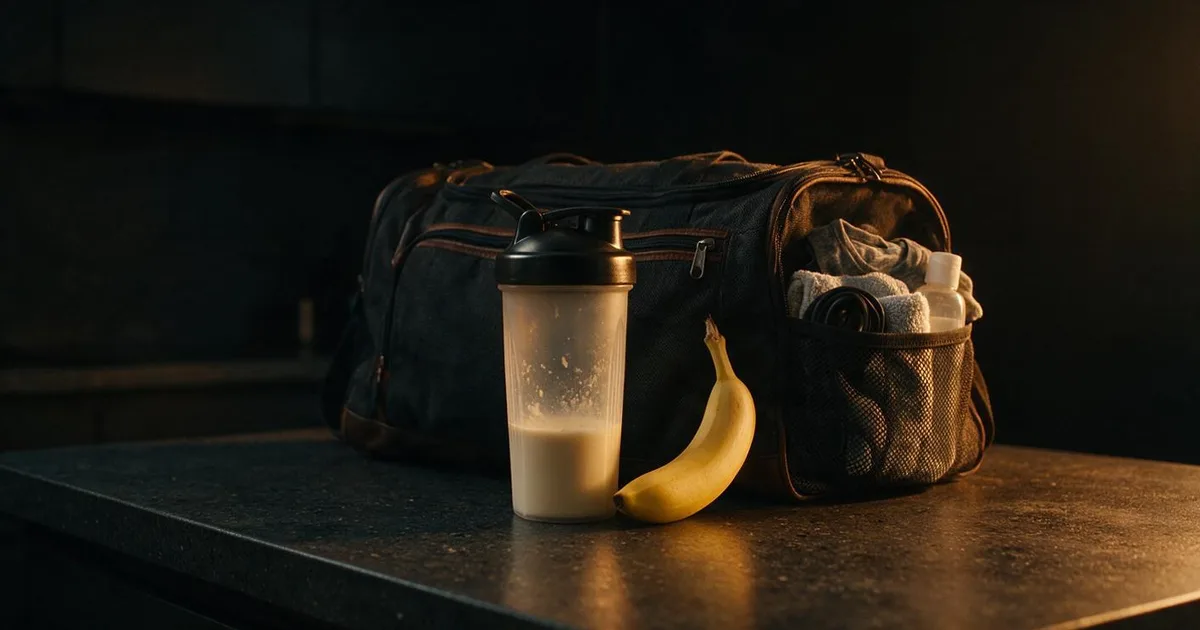
Workout nutrition is often made too complicated. You do not need a perfect shake, a strict 30-minute window or a special food. You need enough daily calories and protein, then meals placed well enough that you can train hard and recover. Below is the practical version: what to eat depending on how much time you have before training, what and how much after it, what to drink, what changes when you train twice a day, and the mistakes that quietly undo a good session.
Before training: fuel the session
Eat a meal with carbohydrates and protein 1-3 hours before training. Rice, oats, potatoes, fruit, chicken or eggs can all work. Keep fat and very heavy meals lower if they make you feel slow during the workout.
Pre-workout meals by timing
The less time until the session, the smaller and lighter the meal:
- 2-3 hours before: a normal meal, for example 150 g of rice or buckwheat, 150 g of chicken or fish and vegetables (about 500-600 kcal)
- 1-1.5 hours before: a lighter, low-fat meal, for example oats with yogurt and a banana, or bread with curd cheese and a piece of fruit (about 300-400 kcal)
- 30-45 minutes before: fast carbohydrates only, for example a banana, a handful of dried fruit or a slice of bread with honey (about 100-200 kcal)
A useful target before a hard session is 30-60 g of carbohydrates and 20-30 g of protein. Fat and large amounts of fibre slow digestion, so they belong further from the session, not right before it.
What not to eat before training
Fried and fatty dishes, large portions of legumes or raw vegetables, full-fat dairy and any meal that leaves you feeling heavy. All of them are healthy, just too slow to digest for a squat session an hour later. When in doubt, test a new pre-workout meal before an easy session, not a hard one.
After training: recovery
After training, aim for protein plus carbohydrates within a few hours. Protein supports muscle repair; carbs replenish the glycogen used during training. Chicken or fish with rice, beef with potatoes, an omelette with bread, or a protein shake with a banana if the next meal is more than 2-3 hours away are all practical options.
How much after training
20-40 g of protein within a couple of hours is enough. After a full-body session the higher end is better: in a study comparing 20 g and 40 g of whey after whole-body resistance training, the larger dose stimulated muscle protein synthesis more (Macnaughton et al., 2016). Carbohydrates after training are urgent only if you train again within the next day; otherwise the normal meals of the day refill glycogen on their own.
The daily total matters most
Meal timing helps, but it cannot fix a poor day overall. Your total calories, protein and consistency matter more than the exact minute you eat. To set your numbers, use the calorie and macro calculator.
Match food to the goal
If you are losing weight, keep the meals lighter but protein high. If you are building muscle, make sure the day lands in a small surplus. The basics are covered in nutrition for muscle gain and a weight-loss meal plan.
Training early in the morning
If a full meal does not fit before an early session, a small one works: a banana, yogurt or a slice of bread 30-60 minutes before. Training fasted is also fine if you feel good doing it, because the food from the day before still fuels the session through stored glycogen. Just eat protein and carbohydrates afterwards.
Do you have to eat right after training?
The famous "anabolic window" is far wider than the legend says. If you ate a normal meal a few hours before training, eating within a few hours after it is enough, because the daily totals decide the result (Aragon and Schoenfeld, 2013).
What and how much to drink
Water covers sessions up to about an hour. Drink around 500 ml about two hours before training, then by thirst during it; in sessions longer than an hour or in the heat, 150-250 ml every 15-20 minutes is a good guide. To check whether it is enough, weigh yourself before and after: every kilogram lost is roughly 1-1.5 litres of fluid to replace over the next few hours. Sports drinks earn their sugar only in long or very intense sessions, and the rest of the time they are simply liquid calories.
Training twice a day or on consecutive days
When two sessions are less than 8 hours apart, or you train hard several days in a row, post-workout carbohydrates start to matter: glycogen refills fastest in the first hours after training, so eat about 1 g of carbohydrates per kilogram of body weight with some protein within 1-2 hours. With one session a day there is no such hurry.
Common mistakes
- A big or fatty meal right before training, followed by a sluggish session
- Rushing a shake after training while the daily protein total still comes up short
- Sports drinks during an hour-long session that water would cover
- Skipping the pre-workout meal while dieting and turning every session into a weak one
- Rewarding the workout with food that costs more than the workout burned
Frequently asked questions
Can I train on an empty stomach?
Yes, if you feel good. Very heavy strength sessions may feel slightly weaker without a pre-meal, so judge by how the training goes rather than by rules.
Is coffee before training a good idea?
Yes, caffeine is the best-proven training booster there is. Have it 30-60 minutes before the session, and avoid caffeine in the second half of the day, because it disturbs sleep.
What should I eat after an evening workout?
A normal dinner with protein and carbohydrates. Food eaten late does not turn into fat by the clock, because the daily totals decide that (more in nutrition for muscle gain).
Do I need a protein shake right after training?
No. It is a convenience, not a requirement, and a regular meal within a few hours does the same job.
Are carbohydrates before training mandatory?
No. Glycogen from earlier meals fuels a typical session, and a carbohydrate-rich pre-meal helps most in long or very hard workouts.
Should I eat differently around training while losing weight?
Same principle, smaller portions: a modest meal with carbohydrates and protein so the session stays strong, because the session is what protects your muscle. The meals around training are part of the daily target, not an addition to it.
A meal plan around your training
Tavo Programa can build a weekly diet plan around your training days, food preferences and goal.
Read next: How much protein you need per day and Nutrition for muscle gain.
Want a plan made for you?
Get a personalized training, diet or supplement plan built around your body and goals.
Get started