Supplements for beginners: which ones are actually worth it
6 min read
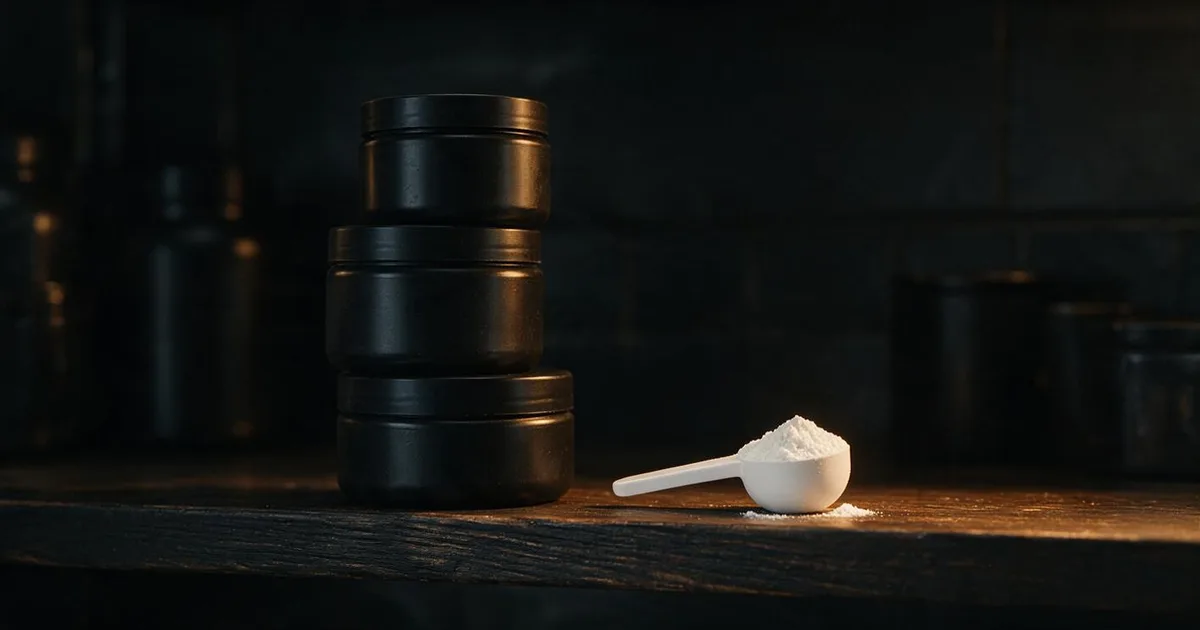
Few industries are as good at marketing as the supplement world, and as a beginner it is easy to spend a small fortune on tubs that do almost nothing. The reality is reassuring: only a handful of supplements have solid evidence behind them, and the basics are cheap. Here is what is worth it and what is not, what to look for on the label, and how the whole thing fits into a normal day.
Is whey protein worth buying
A protein shake is just a fast, portable way to hit your daily protein when food is not handy. It is genuinely useful for that, but there is nothing special about it: real food does the same job. It earns its place mostly after training or on days when you eat less protein than usual. If lactose bothers you, pick an isolate, since it carries almost none. Treat it as convenience, not a requirement.
Why creatine actually works
Creatine is the most researched sports supplement there is, and the evidence is clear: it can increase strength and muscle, it is cheap, and many healthy adults tolerate around 3-5 g a day well. Take it every day, training day or not, and no breaks are needed. If you buy one supplement, make it this (the full guide is in creatine: how to take it).
Vitamin D and omega-3
These two are not performance supplements but general-health ones, and general health decides how you train and recover. Vitamin D matters for bones, immunity and muscle function, and at northern latitudes there is simply not enough sun to make it from autumn to spring. Get a blood test before supplementing, so the dose follows your actual level rather than a guess. Omega-3 matters most for people who rarely eat oily fish: if salmon or mackerel lands on your plate at least a couple of times a week, you most likely do not need the supplement.
Magnesium, multivitamins and electrolytes
Magnesium does not magically fix cramps or sleep unless you are actually short of it, and a shortage shows up in a blood test and in a diet low in nuts, legumes and whole grains. A multivitamin is insurance against a poor diet, not a training supplement: if you eat a varied diet it adds almost nothing. Electrolytes matter only in sessions longer than an hour in the heat with heavy sweating; a normal gym session is covered by water and a slightly saltier meal afterwards.
What to skip
Fat burners, testosterone boosters and most pre-workout "magic" promise a lot and deliver little. The money is far better spent on good food and the basics above. No powder out-trains a poor diet.
Caffeine: the cheapest booster that works
Plain coffee 30-60 minutes before training measurably improves performance, and it costs almost nothing compared with "pre-workout" blends built around the same caffeine. The evidence-based dose is about 3-6 mg per kilogram of body weight, which for an 80 kg person is roughly 250-450 mg, or 2-4 cups of coffee (Guest et al., 2021). Avoid caffeine in the second half of the day, because it disturbs sleep, and good sleep does more for recovery than any supplement.
How to read supplement marketing
A few honest filters: promises of fast results without training are a warning sign, "proprietary blends" hide their doses for a reason, and testimonials are not evidence. If a product worked the way its advertising claims, research would cite it the way it cites creatine (Kreider et al., 2017).
What to look for when buying
- Creatine: monohydrate only. The pricier "buffered" or HCl versions do not work better.
- Whey: concentrate is cheaper and suits most people; isolate is worth it only if lactose is a problem.
- Label: avoid "proprietary blends" where the doses are not stated.
- Quality marks: independent testing (for example Informed Sport) shows the product contains what it says and nothing it should not.
- Price: compare the price per serving, not per tub. Creatine should cost cents a day.
What to pay for first
First food, because no powder fixes a diet short on protein or calories. Then creatine monohydrate, the one supplement with a clear, well-documented effect. Then whey, if regular food does not cover your protein target. Then coffee. Everything after that should answer a specific, confirmed need, such as vitamin D after a blood test, rather than an advertisement.
A simple daily routine
What all of this looks like for someone who trains in the morning: coffee 30-60 minutes before the session, 3-5 g of creatine with any meal at the same time every day, a whey shake only on days when food falls short of the protein target, and vitamin D from October to April if a blood test showed a shortage. That is the whole routine, and it costs less than one tub of advertised fat burner.
Common mistakes
- Buying supplements before food and sleep are in order
- A pre-workout blend every day, so the caffeine stops working and sleep suffers
- Taking creatine only on training days, or with breaks
- Paying for the expensive creatine or protein variant because it "works better"
- Taking high doses of vitamin D without a blood test
Frequently asked questions
Which supplement should I start with?
Creatine monohydrate, 3-5 g every day (the full guide is in creatine: how to take it). It is cheap, safe for healthy adults and actually does something.
Are BCAA worth buying?
Usually not. If you eat enough protein, you already get the same amino acids from food. They might earn a place when the diet is poor or the training volume is very high, but even then it is simpler and cheaper to raise the protein intake itself.
Do fat burners work?
Not meaningfully. Fat loss comes from a calorie deficit, and most fat burner effects amount to caffeine plus marketing. Spend that money on food.
Do I need a pre-workout?
No. Its working ingredient is caffeine, which is cheaper from coffee, and the rest of the formula is usually dosed too low to change anything. If you want caffeine to keep working, save it for the hardest sessions rather than every day.
Do supplements help with weight loss?
Not directly. Weight comes off through a calorie deficit. The only supplements with a role are whey, if it helps you reach the protein target, and caffeine, if it helps you train. Everything else is marketing.
When should I drink a protein shake?
Most conveniently after training, as a quick way to get protein when recovery needs it. A shake helps you reach the daily protein target, but it is an addition to the diet, not a meal replacement.
Are these supplements safe?
The ones recommended here, at the stated doses, are well tolerated by healthy adults. With any medical condition or regular medication, check with a doctor first.
What is right for your goals
Tavo Programa can build a supplement plan around your goals, with doses, timing and stacking, so you are not guessing in the store aisle.
Read next: Nutrition for muscle gain, How to take creatine and A beginner training program.
Want a plan made for you?
Get a personalized training, diet or supplement plan built around your body and goals.
Get started