Creatine: how to take it and when it is worth it
Tavo Programa team5 min read
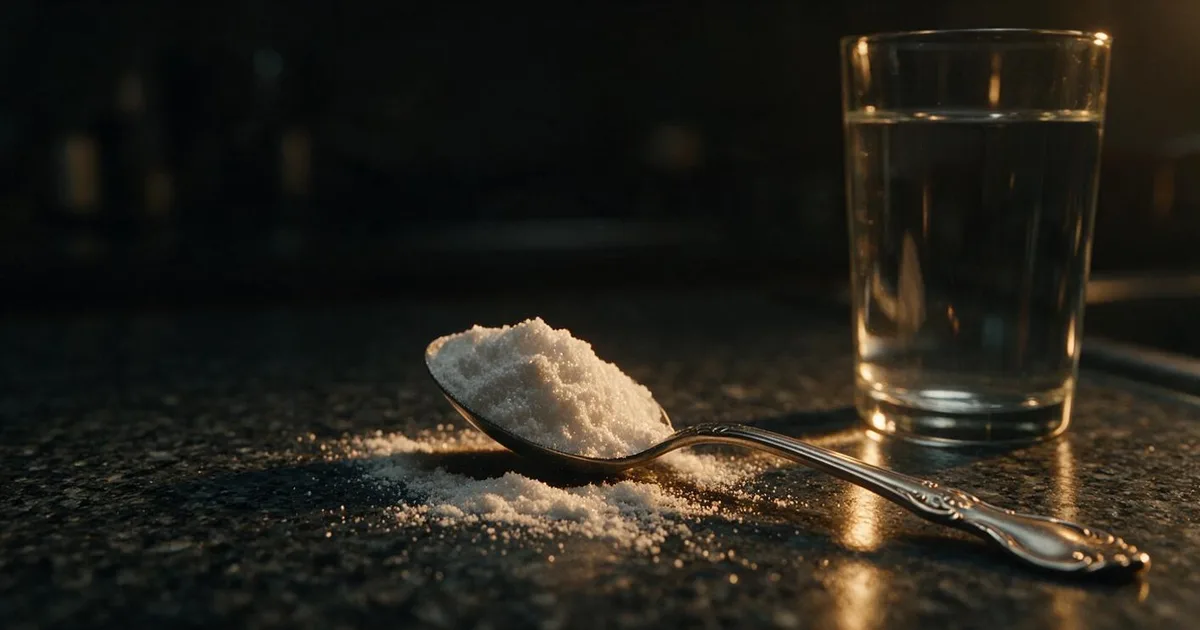
Creatine is one of the few supplements that deserves its reputation. It is not a stimulant and it does not build muscle by itself, but it helps you produce a little more force in hard sets. Over months, that supports better strength and muscle gains. This guide covers how creatine works, which form to buy, the dose, safety and the questions everyone asks.
How creatine works
Muscles use a compound called ATP for short, maximal efforts, and creatine helps regenerate it faster between reps and sets. In practice that means one or two extra reps in hard sets and slightly faster recovery between them. It is the most researched sports supplement there is, with hundreds of studies behind the effect (Kreider et al., 2017).
Which creatine to buy
Creatine monohydrate. It is the form used in nearly all of the research, it is the cheapest, and no fancier form (HCl, buffered, "kre-alkalyn") has shown any advantage over it. Micronized monohydrate simply dissolves better; the effect is the same. A month of creatine costs about as much as two coffees.
How much creatine do you need per day?
The maintenance dose recommended by the International Society of Sports Nutrition (ISSN) is 3-5 g per day, and larger, very muscular people may need 5-10 g. A loading phase is optional: it only fills the stores faster, and without it they fill up in 3-4 weeks anyway (Kreider et al., 2017).
| Approach | How to take it | Stores full after |
|---|---|---|
| Without loading | 3-5 g every day | about 3-4 weeks |
| With loading | about 20 g a day in four doses for 5-7 days, then 3-5 g a day | about 5-7 days |
What matters most is taking it every day, training day or not. A large single dose can upset the stomach, which is why the loading amount is split into four.
When is the best time to take creatine?
Timing is not critical. Take it with any meal or after training if that helps you remember. It dissolves poorly in cold water, so stir it into a warm drink or just mix and drink straight away. Creatine works by building up in the muscles over time, not by giving an immediate workout boost.
What to expect
In the first weeks body weight often rises by about 1-2 kg from water stored inside the muscle. That is not fat and not bloating; it is part of how creatine works. The performance effect is modest but real: an extra rep here and there that compounds over months. A minority notice little at all, and that is normal too.
Who benefits most from creatine?
The clearest benefit is in strength and muscle training, where short, hard efforts are repeated with little rest: heavy sets, sprints, jumps. A meta-analysis of the early studies found the effect was largest in exactly these short, repeated high-intensity tasks (Branch, 2003). People who eat little meat or fish, vegetarians especially, often notice more, because their starting stores are lower. There is also evidence of benefit for older adults who do resistance training. In endurance sports the effect is smaller and less studied.
Is creatine safe?
For healthy people at the recommended doses, yes: long-term studies keep finding no harm to kidney function, and the kidney myth traces back to misreading creatinine, a routine blood marker that creatine use naturally raises a little (Antonio et al., 2021). The honest caveats stand: if you have kidney disease, are pregnant, breastfeeding or take medication that affects kidney function, talk to a doctor first.
Common mistakes
- Paying extra for exotic forms that do nothing monohydrate does not
- Expecting to feel it like caffeine and quitting after a week
- Taking it only on training days
- Mistaking the first weeks of water weight for fat gain
Frequently asked questions
Should I take creatine before or after a workout?
Whichever you will remember. The effect comes from saturated muscle stores, not from the timing of a single dose, so consistency beats scheduling.
Does creatine work for women?
Yes, exactly the same way. Early on the scale may rise by 1-2 kg from water held inside the muscle, but that is neither fat nor sudden bulk. Beyond that creatine simply supports the training you are doing, whatever the goal, including a cut.
Do I need to cycle creatine or take breaks?
No. There is no evidence that breaks are needed, and stopping simply lets the stores drain back to baseline over about a month.
What happens when I stop taking it?
Muscle creatine returns to its natural level over roughly 4-6 weeks, the extra water leaves with it, and performance settles back to where your training and diet hold it. Nothing rebounds below where you started.
Will I gain weight from creatine?
Usually 1-2 kg early on, and it is water inside the muscle, not fat. On the scale it looks like gain; in the mirror it mostly looks like fuller muscles.
Does creatine cause hair loss?
There is no good evidence that it does. The worry comes from one small study in rugby players in which DHT, a hormone linked to hair loss, rose during creatine use. Hair loss itself was never measured, and taken together the research does not show that creatine raises these hormones or causes baldness (Antonio et al., 2021).
What should I mix creatine with?
Anything: water, juice, a protein shake. It dissolves best in warm liquid, but an undissolved swirl works just as well once swallowed.
Fit supplements into the whole plan
Tavo Programa can build a supplement plan around your goal, training schedule and current supplements. For the wider beginner overview, read supplements for beginners.
Read next: How much protein you need per day, Food for muscle growth and How to gain muscle.
This article is for information only and does not replace advice from a doctor or dietitian. If you have a health condition, are pregnant or take medication, talk to a professional before changing your diet, training or supplements.
Want a plan made for you?
Get a personalized training, diet or supplement plan built around your body and goals.
Get started