Essential training exercises for beginners: six movements that cover the whole body
7 min read
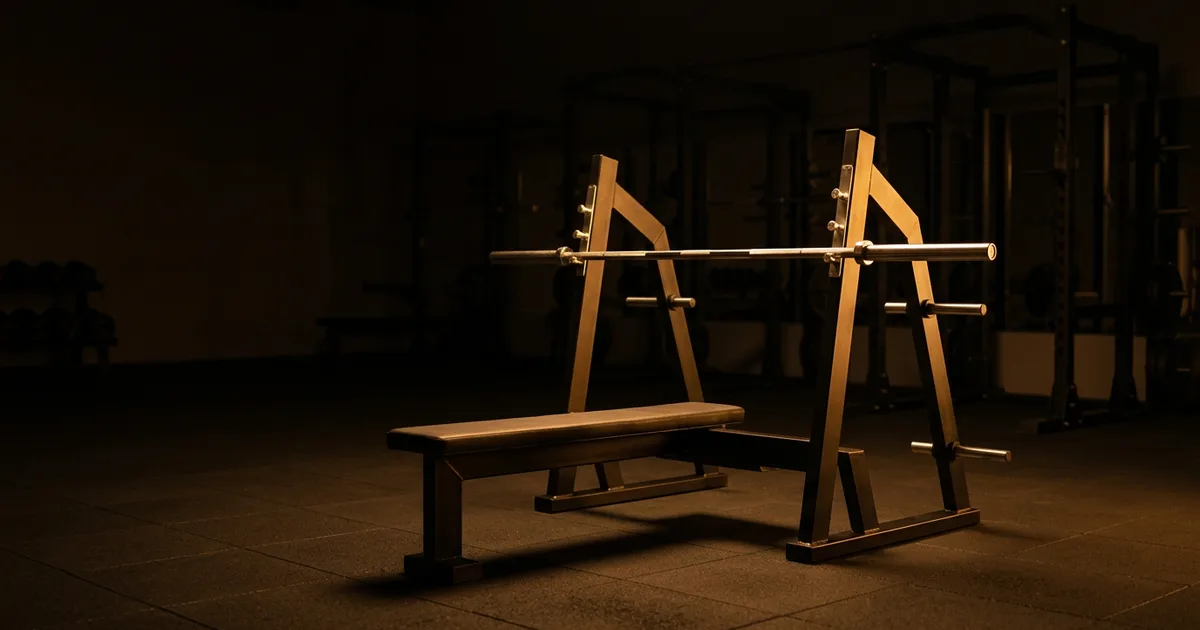
Walking into any gym, the number of machines can be intimidating. Almost all of your early progress, though, comes from a handful of fundamental movements, and every machine in the room is a variation of one of them. Below are the six movement patterns that cover the whole body: what each one trains, the version to start with, how to progress from it, the technique cues that matter and the mistake beginners make most often with each. Learn these and you have the foundation for every program you will ever follow.
Why movements, not muscles
Beginners tend to think in body parts: a chest day, an arm exercise. It is more useful to think in movements, because the body works in patterns and a pattern loads several muscles at once. Six of them cover everything: squat, hinge, horizontal push, vertical push, horizontal pull and vertical pull, with a carry or a core exercise as the finisher. Build a session from one exercise per pattern and nothing important is left out. Multi-joint movements also build strength and muscle faster per minute of training than isolation work, which is why every program worth following, including the two-workout beginner training program, starts with them.
Squat: legs and glutes
The squat trains the quads, glutes and core in one movement and teaches you to brace and balance under load. Start with a bodyweight squat to a box, or a goblet squat holding a dumbbell at the chest: sit back and down as if lowering onto a chair, keep the chest up and let the knees track over the toes. Go as deep as you can while the heels stay down and the back stays neutral. Once 3 sets of 12 goblet squats are easy, move to the barbell back squat and begin with the empty bar. Common error: the heels lift or the knees cave inward, which usually means the weight is too heavy or the ankles need a warm-up.
Hinge: the posterior chain
The hip hinge trains the glutes, hamstrings and lower back, the muscles that protect the spine and power most athletic movement. The Romanian deadlift is the beginner version: with a slight bend in the knees, push the hips back and let the bar or dumbbells slide down the thighs until the hamstrings stretch, then drive the hips forward to stand. The back stays neutral the whole way. Progress to the conventional deadlift from the floor once the hinge feels natural, and add the hip thrust as a second glute exercise. Common error: turning the hinge into a squat by bending the knees too much, or rounding the lower back at the bottom.
Horizontal push: chest, shoulders and triceps
Pushing forward trains the chest, the front of the shoulders and the triceps. Start with push-ups, hands on a bench if the floor version is not there yet, and keep the body in a straight line from head to heels. When you can do 3 sets of 12 clean floor push-ups, add the dumbbell bench press and later the barbell bench press. On the bench, keep the shoulder blades pulled back and down, lower the bar to the lower chest and keep the feet planted. Common error: elbows flared straight out to the sides, which strains the shoulders. Keep them at roughly 45 degrees to the body.
Vertical push: shoulders
Pressing overhead trains the shoulders and triceps and builds upper-body strength that horizontal pressing alone does not. Start with a seated dumbbell shoulder press, then move to the standing barbell overhead press. Brace the core and squeeze the glutes so the lower back does not arch, press the bar straight up and finish with it over the middle of the foot. Common error: leaning back until the press becomes an incline bench press. If the weight only goes up with a lean, it is too heavy.
Horizontal pull: upper back
Rows train the upper back, rear shoulders and biceps and balance all the pushing, which keeps the shoulders healthy and the posture upright. The one-arm dumbbell row is the easiest to learn: one hand on a bench, pull the dumbbell toward the hip, squeeze the shoulder blade at the top and lower under control. Progress to the bent-over barbell row or the seated cable row. Common error: pulling with the arm and shrugging the shoulder up, instead of leading with the elbow and drawing the shoulder blade back.
Vertical pull: lats
Pulling down trains the lats, the muscles that give the back its width, plus the biceps. The lat pulldown is where almost everyone starts: lean back slightly, pull the bar to the upper chest and lower it slowly. Add assisted pull-ups on the machine or with a band, then negatives (jump up, lower yourself over 3-5 seconds), and the first full pull-up usually arrives within a few months. Common error: yanking the bar down with momentum and letting it fly back up. The lowering half of the rep is where much of the growth comes from.
Carries and core
A loaded carry (the farmers walk: 30-40 m with a heavy dumbbell in each hand) trains the grip, shoulders, core and posture at once and is nearly impossible to do wrong. For direct core work, planks and dead bugs teach bracing better than sit-ups, and hanging knee raises come later. The core already works hard in squats, deadlifts and overhead presses, so two or three sets at the end of a session are enough.
How to put them into a session
One exercise per pattern is a full workout: for example goblet squat, Romanian deadlift, push-ups, one-arm row, dumbbell shoulder press and a plank. Three sets of 8-12 reps each with 1-3 minutes of rest takes about 45-60 minutes. Alternate two versions of this session and repeat 2-3 times a week. The ready-made version with progression rules is in a beginner training program, and how to arrange the patterns across the week when you train more often is covered in training splits.
Warm up properly
Five minutes of easy cardio to raise body temperature, then one or two light sets of the first exercise before the working sets. That is the whole warm-up. Long stretching sessions before lifting do not prevent injury and slightly reduce strength, so save the stretching for after the session or for rest days.
Technique first, weight second
Adding weight before you own the movement is the most common beginner mistake. A clean rep with a lighter load beats a sloppy heavy one every time, both for muscle growth and for staying injury-free long enough to progress. Film a set from the side now and then, because the camera catches what you cannot feel. Stop each set 1-3 clean reps before failure, and add load only when every rep of every set looks the same.
Common mistakes
- Starting with isolation exercises and machines and skipping the big movements
- Adding weight before the technique is stable
- Training only what is visible in the mirror and forgetting the back and legs
- Doing ten exercises per session instead of six done well
- Skipping the warm-up sets and going straight to the working weight
Frequently asked questions
Which exercises should a beginner start with?
One from each pattern: goblet squat, Romanian deadlift, push-up, one-arm dumbbell row, dumbbell shoulder press and lat pulldown. Those six cover the whole body.
Are machines bad for beginners?
No. Machines are a safe way to load a muscle while free-weight technique is still being learned, and the leg press or chest press can stand in for the barbell versions early on. They are the backup rather than the foundation, because free weights also train balance and the stabilising muscles.
How many reps should I do?
8-12 per set is the beginner sweet spot: heavy enough to build strength and muscle, light enough to practice technique. Three sets per exercise is plenty.
I cannot do a single pull-up. What now?
Lat pulldowns, band-assisted pull-ups and slow negatives. Most people get their first pull-up within a few months of consistent practice, faster if body weight is also coming down.
Do I need to train arms separately?
Not at first. Every push trains the triceps and every pull trains the biceps. A set or two of curls and extensions at the end of a session is fine once the basics are in place, but it is not what drives arm growth early on.
Can I do these exercises at home?
Yes. Goblet squats, Romanian deadlifts, push-ups, one-arm rows and shoulder presses all work with a pair of adjustable dumbbells, and a door-frame bar or a band covers the vertical pull. The full plan is in home workouts.
Exercises chosen for you
Tavo Programa selects the right exercises for your experience, equipment and any injuries, and arranges them into a full program with sets, reps and progression.
Read next: A beginner training program, Training splits and Home workouts.
Want a plan made for you?
Get a personalized training, diet or supplement plan built around your body and goals.
Get started